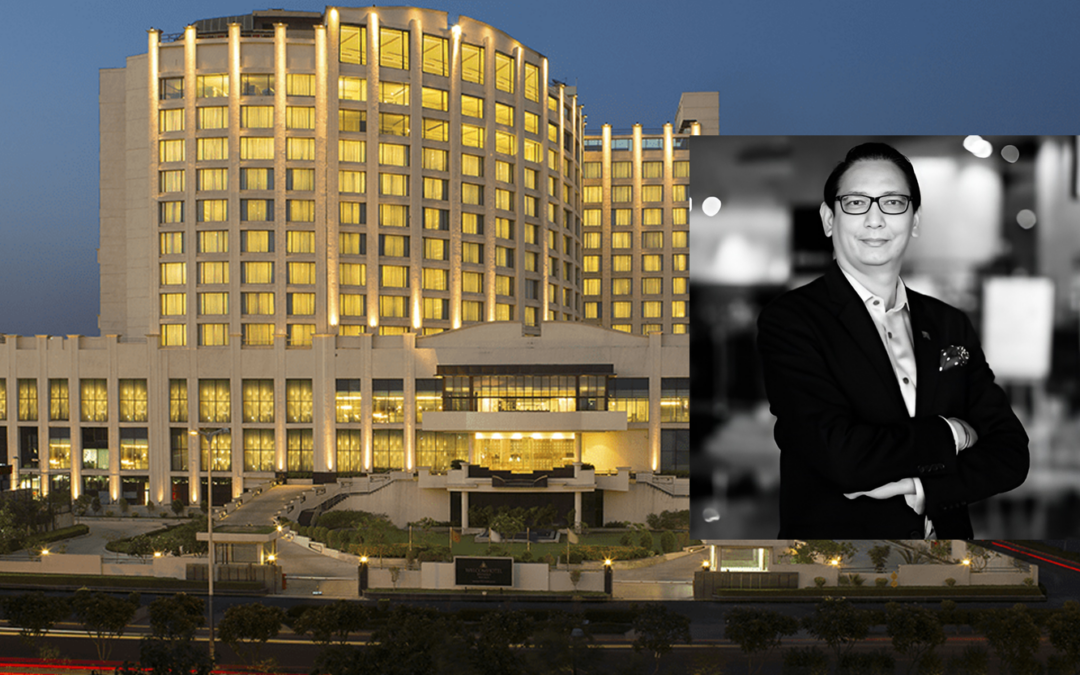
Nishant Negi, General Manager of Welcomhotel by ITC Hotels, Dwarka, discusses the hotel’s growth, the changing dynamics of hospitality in the region, the role of technology and sustainability, and the opportunities shaping India’s hotel industry.
With over two decades in hospitality, Negi has built his career across leading hotel brands, including InterContinental, Renaissance, Taj and ITC Hotels. An alumnus of IHM Lucknow’s 1998 batch, he joined ITC Hotels in 2007 and held key front office and rooms division roles across Agra, New Delhi, Mumbai and Chennai before becoming Resident Manager in 2016. He took charge of Welcomhotel Dwarka as General Manager in 2018.
Today, he leads the 392-room upper-upscale property, located adjacent to Yashobhoomi, the India International Convention and Expo Centre. Known for his hands-on, detail-oriented leadership style, Negi has overseen significant transformation at both the hotel and in the Dwarka region. When he joined Welcomhotel Dwarka, ITC Hotels’ first managed hotel in Delhi, the property had 40,000 sq. ft. of banqueting space and three restaurants. Since then, the hotel has grown significantly, reflecting Dwarka’s increasing prominence as a hospitality and business destination.
Improved infrastructure and road connectivity have played an important role in this growth. Travel times from Gurugram, the airport and Aerocity have reduced considerably, making the property more accessible to corporate and event-driven demand. The hotel’s performance, he believes, reflects Dwarka’s emergence as a prominent business and events destination.
“Yashobhoomi presents immense untapped potential. The scale and quality of infrastructure created there can truly transform Dwarka into one of India’s leading convention and events destinations,” says Negi. He believes that with increasing international participation and stronger convention activity, the venue can play a pivotal role in attracting large-scale global events to the region.
“While domestic demand currently drives the market, he expects international MICE business to grow steadily over time. This would benefit not only hotels but also local businesses, employment and the overall hospitality ecosystem. Dwarka’s hotel landscape is also set to expand, with several projects in the pipeline and ITC Hotels planning to strengthen its presence in the area,’ he adds.
The change is already evident in Welcomhotel Dwarka’s performance. Its average daily rate (ADR) has risen significantly over the years, while occupancy continues to remain healthy and stable.
“The hotel’s demand profile has evolved alongside the region. Earlier, it relied heavily on international group and tour bookings. Today, this business is increasingly complemented by domestic MICE demand, combining accommodation with conferences, meetings and banqueting,” mentions Negi.
Corporate travel has strengthened, while domestic free independent travellers (FITs), particularly over weekends, have added another dimension to demand. The shift mirrors a wider trend in Indian hospitality, where domestic travel and business events are playing a greater role in supporting hotel performance and reducing dependence on international markets.
A key contributor to the hotel’s success has been its unwavering focus on guest experience.
 “Our growth has been driven not only by market opportunities but also by a relentless focus on guest satisfaction, service excellence and building long-term relationships with our guests,” says Negi.
Dwarka’s growing institutional and corporate presence is another contributor. Government offices, public sector undertakings and other establishments in the region are creating opportunities for residential conferences, corporate meetings and events. Welcomhotel Dwarka has responded by developing its MICE business and leveraging its extensive banqueting facilities.
The hotel can accommodate gatherings ranging from 250–300 people to larger events for 1,200–1,500 guests, supported by flexible event spaces and breakout rooms. Its portfolio also includes an open-air venue suited to corporate gatherings and cocktail evenings. MICE currently contributes around 35% of the hotel’s business, while leisure accounts for approximately 8–10%, underlining the property’s strong business and events orientation.
“Beyond MICE, the weddings and social events segment presents a significant growth opportunity for Dwarka. With strong connectivity, large-format venues and improving infrastructure, we expect the region to emerge as a preferred choice for destination weddings and large social celebrations in NCR,” says Negi.
Food and beverage is another area Negi sees as having significant growth potential. ITC Hotels draws on established culinary brands, a strong focus on quality and deep culinary expertise, particularly in Indian cuisine. The hotel has improved its rooms-to-F&B revenue ratio significantly. Negi sees banqueting and distinctive dining concepts as important drivers of this shift, particularly as guests increasingly seek experiences beyond accommodation.
The recently opened Del One reflects this approach. Rather than following the conventional all-day dining format built around familiar café fare, the restaurant aims to offer a more distinctive proposition. The objective is to create a destination in its own right, rather than merely another restaurant within a hotel. By offering guests a reason to dine there beyond convenience, the hotel hopes to strengthen engagement among residents and attract more non-resident diners.
Technology is steadily changing hotel operations. Welcomhotel Dwarka has recently moved towards iPad-based systems, reducing paperwork and streamlining processes. Negi expects this transition to continue, bringing greater efficiency to operations and reshaping the guest experience.
He also points to the growing sustainability awareness among younger travellers, who increasingly want to understand where a hotel’s water comes from, how wastewater is recycled and how waste is managed.
“At ITC Hotels, our Responsible Luxury philosophy guides how we balance exceptional guest experiences with environmental stewardship. Today’s travellers increasingly value responsible practices, and sustainability has become an integral part of how hospitality businesses create long-term value; therefore, sustainability is no longer an optional initiative but a core business imperative,” he says.